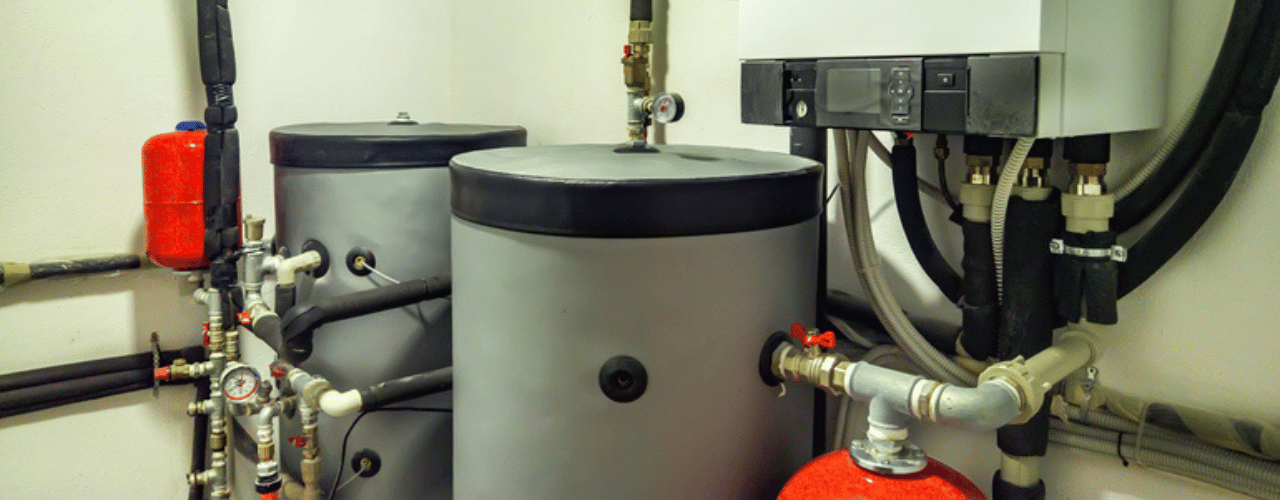
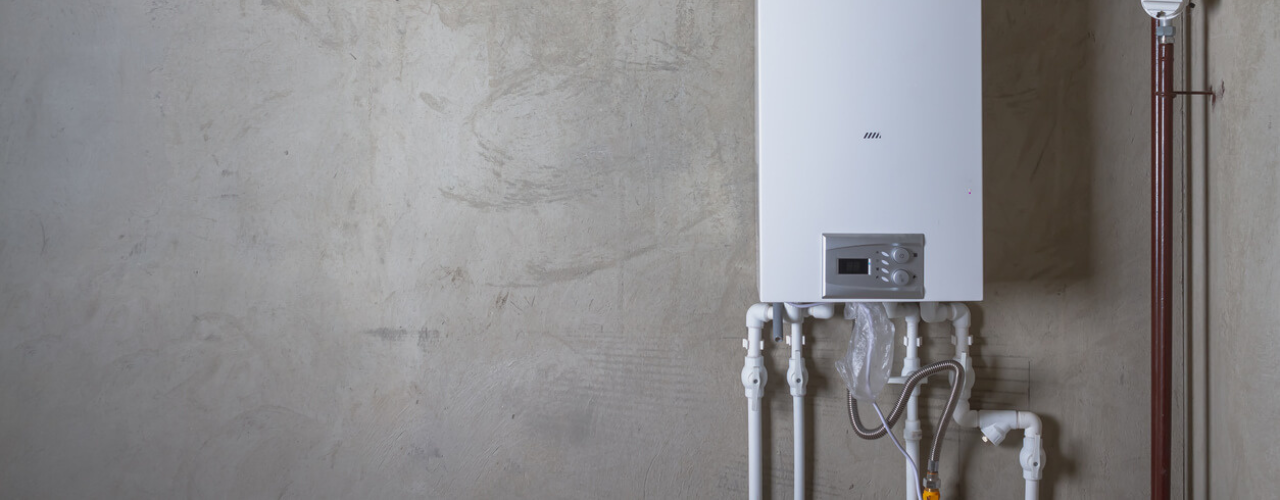
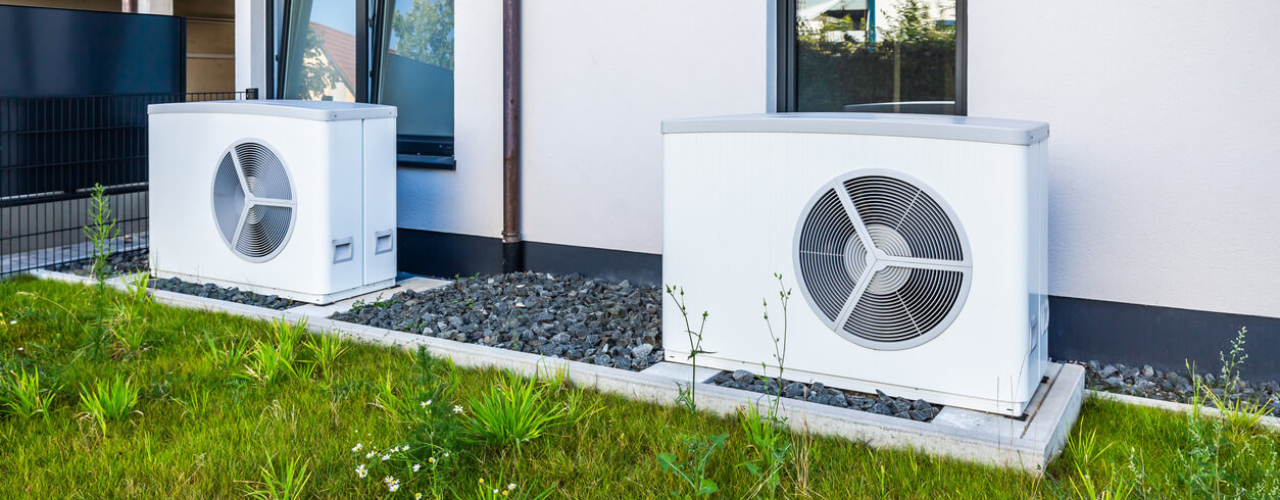
A central heating system rarely fails without warning. Those subtle quirks are not just minor annoyances. I’m talking about the slight rattle, the constant need to repressurize, or the single cold radiator. These are technical indicators of imminent failure within your heating system, signalling the need for central heating repairs.
As experts, we know that every symptom has a serious, technical failure behind it, whether it’s a failed seal, internal corrosion, or a blockage. We see the mistake every week: homeowners ignore these initial warning signs, which guarantees that a simple, scheduled central heating repair will escalate into a costly, high-stress emergency replacement.
Every sound, leak, or temperature drop has a known technical fault behind it. We break down the most common warning signs you should never ignore, detailing the root cause and the specific threat it poses to your boiler. Read this, and you’ll know exactly when to call a certified expert.
Critical System Signs: Symptom, Root Cause, and Immediate Threat
Never wait for the system to break down completely. If you spot any of these issues, you must schedule central heating repairs immediately to protect your home and your investment.
1. The Banging, Rumbling, or Kettling Noise in a Boiler
When your boiler produces a loud, low-frequency sound, it’s a severe warning. This sound is often described as a deep rumble, a dull bang, or stones rattling inside a kettle. We often hear clients describe this as the boiler sounding like a wash cycle full of pebbles. The technical term for this is kettling. It occurs when limescale and other deposits build up inside the boiler’s heat exchanger, trapping pockets of water that flash boil and create the violent noise.
The Financial Threat: Kettling forces the boiler to work much harder and less efficiently. It accelerates the wear and tear on the heat exchanger, leading to premature failure and an expensive central heating repair.
2. Cold Radiators with Hot Pipework
If your radiators are warm at the top but icy cold at the bottom, or some units never heat up even when the feed pipes are hot, you have a circulation issue. While cold tops can mean simple airlocks requiring bleeding, cold bottoms signal something far worse: magnetite and sludge build-up. This thick, black sludge settles at the lowest point of the radiator, blocking water flow and requiring a specialist powerflush as part of the central heating repairs.
The Failure Risk: The blocked flow wastes significant energy because the system can’t distribute heat effectively. Worse, it forces the pump to strain, leading to premature failure of this expensive component.
3. Constant Pressure Drops and Leaks
Having to repressurize your boiler weekly or monthly because the gauge constantly drops below 1.0–1.5 bar, or noticing small puddles near the unit, points to an active leak. The root cause is usually component failure: a corroded pipe joint, a radiator valve, or a failed internal part like the expansion vessel or pressure relief valve.
The Immediate Risk: Ignoring pressure loss guarantees the boiler will enter lockout (cutting out) frequently. This critical system failure requires immediate central heating repairs to safely restore functionality and prevent water damage.
4. The Central Heating Works, But There’s No Hot Water
This is a common frustration with combination boilers: the radiators are hot, but the taps run cold. The technical root cause is a stuck diverter valve. This crucial component is responsible for switching the boiler’s heat output between the central heating circuit (radiators) and the domestic hot water circuit. When it fails, it defaults to sending all the heat to the easier path (the radiators).
The Functionality Threat: While not an immediate safety issue, it results in a complete loss of domestic hot water. This requires professional central heating repairs to replace the valve and restore your daily functionality.
5. Frequent Boiler Lockouts (Pressing the Reset Button)
If your boiler intermittently turns itself off, displays a fault code, or requires you to press the reset button multiple times a week, a safety device is continually being triggered. The root cause often points to serious intermittent issues that require urgent central heating repairs, such as a failing igniter electrode, a recurring flue obstruction, or a problem with the flow/return thermistors (sensors) that causes the boiler to overheat and trip out.
The Long-Term Damage: The continuous cycling of the boiler reduces the lifespan of the electronic controls and, more critically, it masks a serious underlying issue that requires urgent investigation before it becomes a permanent, more expensive failure.
6. The Boiler’s Flame is Yellow or Smoky (The Urgent Safety Check)
The pilot light or main burner flame should be a tight, crisp blue. If you look through the viewing window and see a flame that is yellow, smoky, or lazy, you have a critical problem. This visual signal means the boiler is undergoing incomplete combustion due to a blocked flue, restricted air supply, or a fault in the burner.
Immediate Life-Threatening Safety Hazard: A yellow flame produces highly toxic Carbon Monoxide (CO) gas, which is odourless and invisible. If you see this sign, shut the boiler off immediately, ventilate your home, and call an expert. This is not a drill.
The Cost of Delaying Central Heating Repairs
Every delay in addressing the above signs costs you money, time, and safety.
- Financial Escalation: A worn diverter valve may cost £350 to replace when scheduled. If you wait until the pump fails due to the resulting strain, that repair becomes a £600 job. If the neglect leads to a complete breakdown requiring a new heat exchanger, that cost becomes a £3,000+ full replacement. Do not allow a minor fix to become a total system overhaul requiring extensive central heating repairs.
- Efficiency Drain: A system struggling against airlocks or magnetite sludge must burn significantly more gas to reach the set temperature. Ignoring the signs means you are actively paying a premium on every single energy bill until you schedule central heating repairs.
- Safety and Compliance: Ignoring signs of incomplete combustion is not a financial risk; it is a moral and legal failure. You risk the lives of your home’s occupants and could face non-compliance issues if the system is ever checked. We explain further why a boiler service is the best way to avoid breakdowns.
Premier Heating’s Expert Diagnostic Process
We never guess. Our process involves comprehensive diagnostics to identify the root cause of the failure, not just the symptom. Our Gas Safe engineers use specialized flue gas analysers, water quality testers, and electrical fault-finding equipment to provide a complete picture of your system’s health. We give you clear options, explaining whether a targeted central heating repair or a replacement offers the best long-term value.
Immediate Action: Don’t Wait for the Breakdown
If your boiler is exhibiting any of these signs, you need reliable help today for your central heating repairs, not in three days. Stop guessing what the problem is and call a certified expert immediately. A rapid, professional inspection prevents a cold, costly night waiting for emergency service.
Contact us today. Let us schedule your central heating repairs before a sign becomes a breakdown.
WE FIX IT RIGHT, THE FIRST TIME. Book Your Expert Heating Repair Assessment Today. Call us at 01483 23470.